FAQs

ATS offers a variety of different burners that are Low NOx and Ultra Low Nox. ATS can perform combustion analysis and burner adjustment to help identify excessive O₂, CO, unstable combustion and inefficient operation while maintaining safe burner performance and staying within equipment and process limitations

Burner tuning is important to maintain proper and complete combustion to keep gas consumption minimal. We also offer oven efficiency tests to check for leaks and losses.

Yes. We offer emergency troubleshooting for burner, control panel, gas train, flame failure 24 hours a day 7 days a week.

ATS supports industrial burners, burner controls, flame safeguards, gas valve trains, control panels, sensors, switches, regulators, meters, and related thermal process equipment for all manufactures listed in our line sheet.

NFPA 86 is the standard for ovens and furnaces and is intended to reduce fire and explosion hazards in commercial and industrial processing equipment.

Inspections help identify safety issues, support compliance efforts, prepare for insurance reviews, and reduce the risk of unsafe operation. NFPA 86 requires yearly annual inspections on all burner interlocks and safety devices. This equipment includes gas pressure switches, air pressure switches, high limit control, proof of closure, shut off valves, etc.

ATS combines product knowledge, application support, engineered assemblies, field service, inspection support, and troubleshooting. Our specialized team has experience doing all of the actions above and can be the right team to apply engineering expertise to your industrial application.

Yes. ATS can help diagnose flame failure, ignition failure, airflow issues, gas pressure problems, control faults, and failed safety devices. We focus on getting production back up safely while finding the root cause of the issue to prevent further problems.

Common causes include dirty or failed flame sensors, UV scanner issues, weak ignition, fuel pressure problems, air/fuel ratio problems, grounding issues, wiring faults, or control failures.

self-checking UV scanners should be used in 24 hour continuous operation to ensure proper flame detection and safety.

A temperature sensor needs to be chosen based upon on a couple of factors- cost, environment, temperature rating, tolerances, pressure rating, connection, assembly, packaging, etc. ATS can help you choose the right temperature sensor for your application.

Yes. You should have spares for all critical parts that are perishable items to prevent downtime. Spares should include igniter, flame detection, pressure switches, gas valves, control valves at the bare minimum. We are happy to help on this!

Yes. The website has a form where customers can upload photos, part numbers, model numbers, serial numbers, and equipment nameplates to allow for quick quotation and replacement

Helpful information includes part number, manufacturer, model, serial number, fuel type, equipment type, photos, urgency, shipping location, and application details.

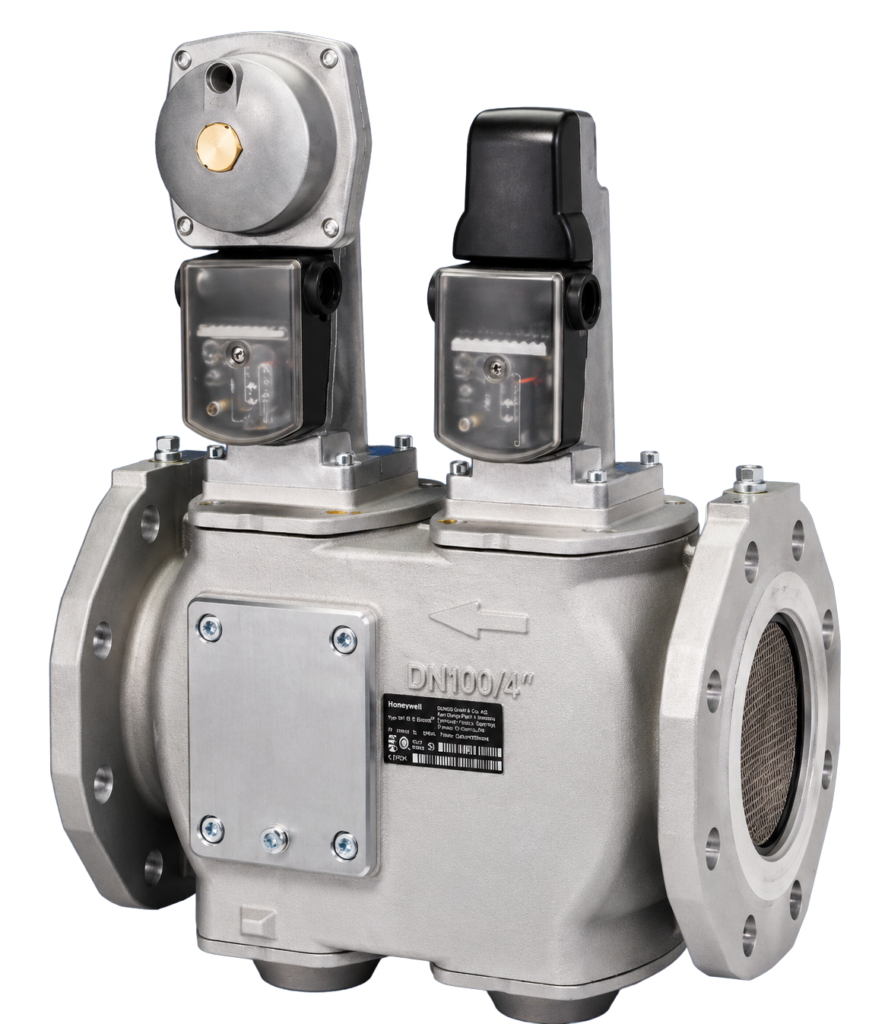
A gas valve train controls and protects fuel delivery to a burner using valves, regulators, switches, actuators, and safety devices.

Yes. ATS can help update aging controls, replace obsolete components, improve reliability, and modernize burner management systems.

Common causes could be ignition issues, gas pressure issues, airflow issues, dirty flame rod, weak flame signal, dirty or runaway UV scanner, grounding issue, bad ignition, improper air/fuel ratio, faulty flame safeguard, wiring issue, bad relay or control component.

Burner selection has a lot to do with your energy output needs as well as different factors that will affect this decision. Emissions, flame length, available pressure, heat distribution, purpose, and lead time might affect your decision on burner selection.

We see the following parts fail commonly: flame rods, uv scanners, ignition transformers, pressure switches, gas valves, actuators, controllers, thermocouples, RTDs, blower motors, relays, igniters, solenoid valves, nozzles, combustors, etc.

Yes. ATS can help find replacement combustion components, obsolete parts, and compatible alternatives with its many business and industry connections.

A regulator that cannot maintain a stable outlet pressure may be undersized for the required flow, experiencing insufficient inlet pressure, improperly adjusted, or affected by worn internal components, debris, venting issues, or changing system demand. ATS can help identify the root cause and determine whether the regulator requires adjustment, repair, or replacement.

Proper regulator sizing requires the fuel type, available inlet pressure, desired outlet pressure, flow (burner capacity), required turndown. ATS uses this information to select a regulator with the proper flow capacity and control characteristics to provide stable, accurate pressure throughout the burner’s operating range.

Control Panels

Control panel solutions for heating, combustion, burner management, & thermal systems.

Explore

Valve Trains

Solutions for industrial combustion systems. Safe, reliable, & controlled fuel and air delivery.

Explore